Upgrade Your Space: Essential Facts About Home Remodeling Services for Each House Owner
Many householders want to find ways to improve their homes via professional remodeling. Such undertakings may vary from small kitchen fixes to full house remodeling. Understanding the options available is essential for choosing intelligently. Additionally, there are tangible aspects such as setting a budget and choosing the right builder. When property owners embark on this process, they may find themselves facing surprising obstacles. Achieving a successful makeover depends on careful planning and implementation. What are the next necessary steps?
Knowing the Various Categories of House Improvement Projects
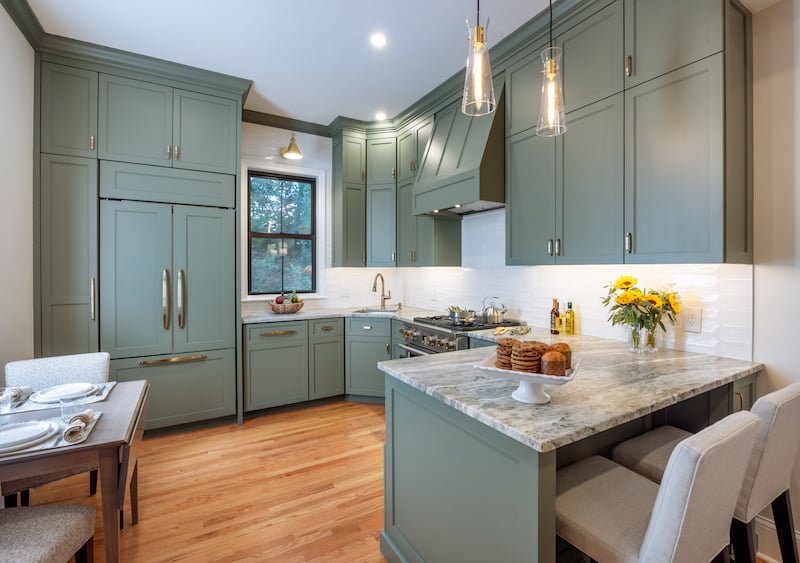
When homeowners consider renovating their homes, they frequently come across a variety of remodeling services tailored to different needs and preferences. These options can be widely classified into a few distinct groups, each focusing on particular areas of residential enhancement. Kitchen renovations center on updating appliances, storage units, and layouts to enhance functionality and visual appeal. Bathroom remodeling typically involves upgrading fixtures, tiling, and shelving options for better convenience and design.
Full-house renovation covers major alterations across the property, often including structural alterations to optimize space and layout. Exterior remodeling services, in contrast, concentrate on enhancing the property's street view, handling the exterior walls, the roof, and landscaping. Furthermore, specific options like basement finishing and upgrading the attic allow homeowners to maximize unused areas. Every renovation category offers unique benefits, enabling homeowners to choose options that align with their vision for their living environment. Understanding these distinctions is vital for choosing wisely throughout the remodeling project.
Creating an Attainable Financial Limit for Your Remodeling Project
How do property owners make certain their home upgrades are kept financially viable? Establishing a realistic budget is vital. Property owners must start by assessing their monetary resources, including savings and potential financing options. This preliminary action allows one to figure out the funds available for the remodel without jeopardizing other monetary duties.
Next, homeowners must investigate the expenses linked to their planned updates, taking into account materials, labor, and unexpected costs that frequently occur. Developing a comprehensive priority list helps with identifying must-haves versus nice-to-haves, enabling modifications if the finances are strained.
It is prudent to set aside an emergency fund, typically around 10-20% of the total budget, to handle unforeseen expenses. Frequently checking and modifying the budget during the renovation project is also useful for preserving fiscal oversight. In the end, a carefully structured budget ensures the project is feasible but also improves the entire renovation process for those living in the home.
Choosing the Right Contractor for Your Requirements.
Finding a suitable builder can greatly impact how well a renovation turns out. It is recommended that homeowners start by conducting thorough research, seeking recommendations from friends, family, or online reviews. It is crucial to check qualifications, take action including licenses, insurance, and bonding, to establish credibility.
After suitable professionals have been found, property owners must ask for comprehensive quotes and schedules, making it possible to compare options knowledgeably. Interviews provide insight into communication styles and professionalism, which are essential for a collaborative process.
In addition, looking at completed jobs through galleries or recommendations shows the builder's standard of work. Property owners must also ask about guarantees or assurances, indicating the builder's certainty about their services.
Finally, picking a builder whose approach fits the property owner's ideas, cost plan, and timeframe fosters a more positive remodeling experience, guaranteeing that the project meets expectations and changes the space as intended.
Planning and Designing Your Ideal Space.
When property owners picture their perfect areas, careful planning and thoughtful design become essential components of an effective updating job. The beginning stage requires reviewing existing necessities and future desires, allowing for a thorough understanding of how the space will be used. Owners must take into account practicality, visual appeal, and personal style, making sure the design captures their individual tastes.
Following this, creating a detailed budget is vital. This budget should accommodate supplies, workforce costs, and possible unexpected costs. Consulting with design experts can provide valuable insights, helping to optimize the space and respecting budgetary constraints.
Integrating components like ample daylight, open layouts, and sustainable materials can improve the final result. Lastly, seeing the project via mock-ups or 3D visualizations can assist in finalizing plans prior to construction. When handling the initial design phase deliberately, homeowners can create an inviting, efficient space suited to their way of life.
Dealing with Permits and Building Codes in House Renovation
Understanding the complexities of permits and regulations can be intimidating for homeowners embarking on a renovation. Every city or county maintains distinct regulations that govern what can be done during renovations, often influenced by zoning laws, construction standards, and safety standards. Homeowners must familiarize themselves with local regulations to avoid costly fines or project delays.
In most cases, getting permits is mandatory for significant alterations, such as structural changes or new wiring installations. This process frequently requires submitting blueprints for approval and could involve check-ups at different phases.
Engaging a knowledgeable contractor can simplify this process, as they are usually well-versed in local regulations and can aid in filing necessary forms. It is important for homeowners to communicate regularly with the municipal planning office to guarantee compliance throughout the project. By comprehending and working within these rules, homeowners can meet their renovation objectives and maintaining compliance with the law in their renovations.
FAQs
What is the Duration of a Standard Home Renovation?
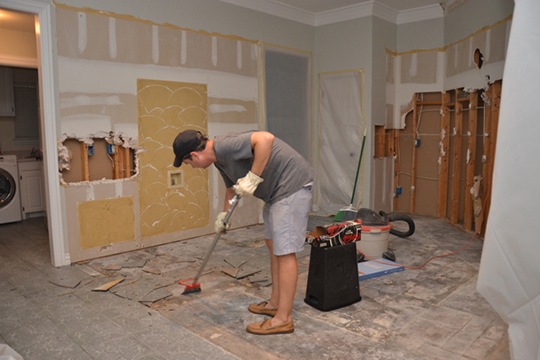
A standard home renovation generally requires between three to six months, depending on the scope of work, size of the home, and supply chain status. Intricate jobs could demand more time for completion.
What are some common mistakes you should steer clear of while undertaking a remodel?
Common mistakes when renovating a home are things like underestimating budgets, not securing the required permissions, missing scheduled deadlines, failing to communicate effectively with contractors, and not considering long-term functionality. Awareness of these pitfalls often results in a more efficient, more successful renovation project.
What's the best way to select the right materials for my project?
Choosing the right materials means considering durability, the look and feel, and budget. Researching options, getting expert advice, and thinking about upkeep are vital steps in reaching educated conclusions, ensuring the project aligns with personal and functional requirements.
Is it possible to stay in my house while the remodeling is happening?
It is possible to remain on the premises during renovations, but it could be uncomfortable. Thorough preparation, maintaining open dialogue with your builders, and designating specific areas for essential activities will reduce the inconvenience during the process.
What kind of coverage should be provided from the renovation company?
You should anticipate receiving warranties that guarantee the quality of the work, the products installed, and structural components, typically ranging from one to ten years. You must carefully check the exact provisions alongside your builders to clearly grasp what is covered and what is excluded.